
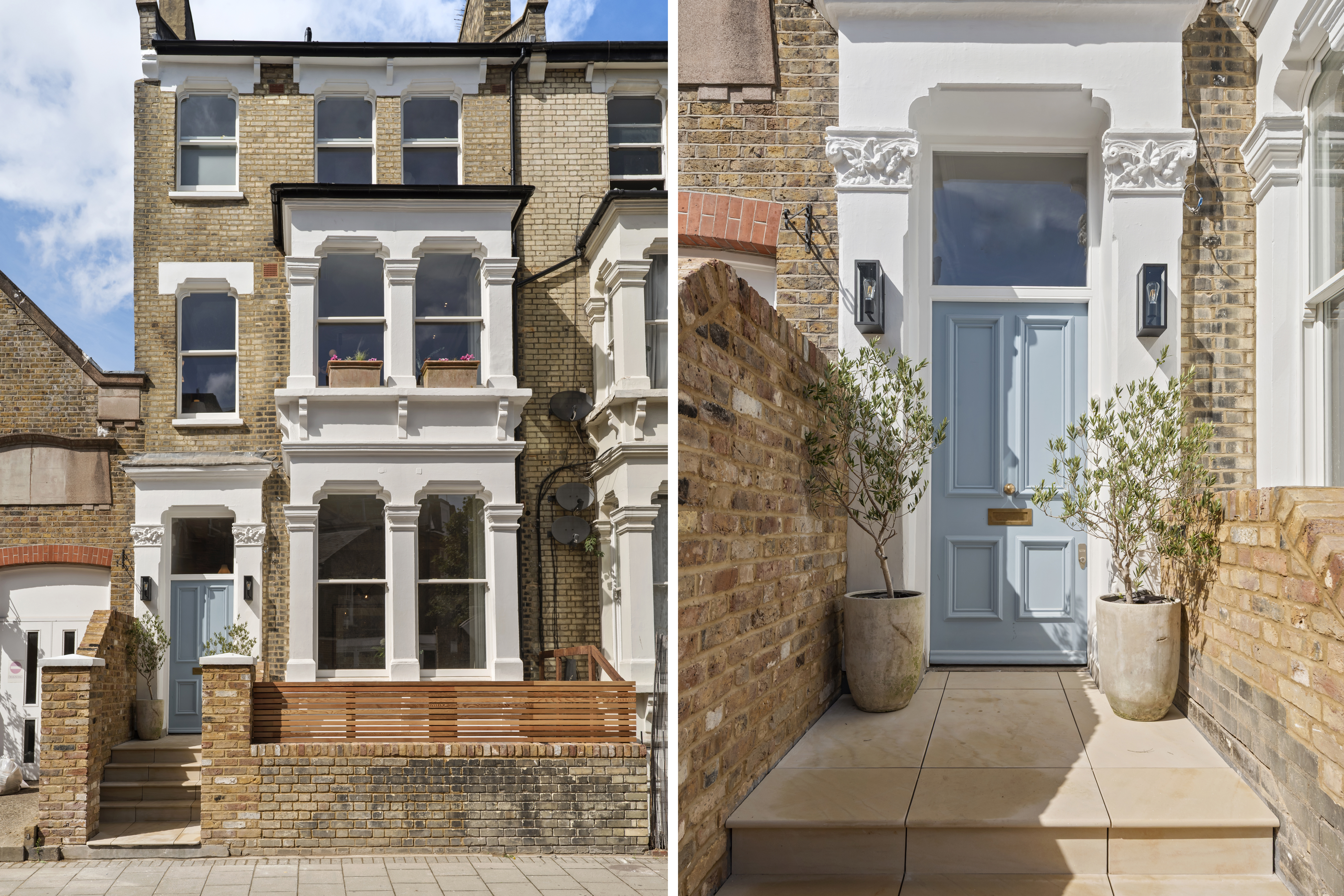
A valuation is where every sale begins. It's the moment our experienced Sales Team visits your property, takes the time to understand your plans and uses a detailed market insight to provide an accurate, realistic appraisal. Get this stage right, and pricing, marketing and viewings all start from solid ground.
Preparation matters here, but not for the reason some homeowners assume. A tidy, well-presented home doesn't inflate a valuation. What it does is help your valuer see the property clearly, without distraction, so the figure they give you genuinely reflects what's in front of them.
Here's what to do before we knock on your door in Brook Green, Hammersmith, Shepherds Bush, Askew or Brackenbury Village, and what we're looking at once we're inside.
What Happens at a Property Valuation?
Our experienced Sales Team will assess what your home is likely to achieve on the open market taking into consideration factors such as size, condition, location and recent comparable sales. We like to take the time to understand your plans for the future, discuss any recent improvements and get a feel of the flow of the property to enable us to provide an accurate, realistic appraisal.
This first figure matters more than sellers think. A price backed by detailed evidence combined with unrivalled local knowledge gives you a strong starting point. A price designed to flatter you into signing a contract might be tempting, but it could result in a price reduction a few weeks in, not a quicker sale.
First Impressions Count, Even at This Stage
Our Sales Team needs to see your home clearly, not the pile of post on the hall table or last week's washing up.
None of this changes your square footage or your postcode, but it enables the valuer to focus on the property itself rather than working round the clutter.
- A tidy home is easier to assess properly
- Mess and poor lighting hide genuine selling points
- Good presentation signals a well looked after property
Your Pre-Valuation Checklist
It doesn’t need to be a major project but a few hours of sensible preparation is usually enough.
- Declutter key rooms. Clear worktops, hallways and living spaces of anything that isn't essential. A valuer needs to see the room, not the contents of it.
- Complete minor repairs. A dripping tap, a loose door handle or a cracked tile won't affect the market value of your home, but they can create an impression of neglect that's easily avoided.
- Improve kerb appeal. Many valuers form an initial view before they've even reached the front door. A clean entrance, a tidy path and well-kept planting all help.
- Tidy gardens, patios and outdoor space. Mow the lawn, sweep the patio and clear away garden furniture that's seen better days. Outdoor space is an increasingly important part of how buyers judge a home and it should be shown at its best.
- Make sure rooms are clean, bright and well-presented. Open the curtains, switch lights on where needed and give each room a proper clean. It's a simple step, but it makes a real difference to how a space reads.
- Gather your paperwork. Bring together documentation on renovations, extensions, boiler servicing, electrical certificates or planning permissions. This helps your valuer understand exactly what's been done and factor it in properly.
Make a note of unique features and upgrades. A converted loft, a new kitchen or restored period details are all worth pointing out. Anything that isn't obvious on a quick walk-through is worth mentioning.
What Do Estate Agents Actually Assess During a Valuation?
A proper valuation draws on several factors together, not any single one on its own.
Location and local market conditions
The location of the property, nearby amenities, transport links and how the local market is currently performing all play a part. Prices and demand can vary noticeably even between neighbouring roads.
Size and layout
Square footage matters, but so does how a home flows. A layout that suits modern living tends to be valued differently to one that works against it.
Condition and presentation
A valuer will note the general state of repair, from decor to fixtures and factor this into the figure they give you.
Recent improvements and extensions. Loft conversions, extensions, new bathrooms or kitchens can all shift a valuation, provided they're properly evidenced with the right paperwork. Outdoor space and parking. A garden, a terrace or off-street parking can meaningfully affect both value and buyer interest, particularly in areas where these features are in shorter supply.
Common Misconceptions About Valuations
A few myths tend to follow sellers into their first appointment and they're worth clearing up early.
"A tidier home means a higher valuation."
Presentation helps a valuer assess your home accurately. It doesn't inflate the underlying figure, which still comes from comparable sales and current market conditions.
"The highest valuation is the best one."
An estate agent who quotes a higher figure to win your instruction isn't necessarily doing you a favour. If the price isn't supported by the evidence, it often needs correcting later, sometimes after weeks of reduced interest on the open market.
"Online estimates are as good as an in-person valuation."
Online tools are a useful starting point, but they can't account for your home's condition, layout or the improvements you've made. An experienced local agent can.
Mistakes to Avoid Before Your Appointment
Setting expectations around an inflated figure
It's natural to want the best possible price, but anchoring your expectations to a number that isn't supported by local evidence tends to make the eventual conversation about pricing harder, not easier.
Undertaking major, unnecessary work
A full renovation ahead of a valuation isn’t worth it. It's usually better to focus on presentation and minor repairs than to take on large projects that may not be recouped in the sale price.
Feeling Confident and Informed
Walking into a valuation prepared changes the tone of the whole conversation. You're able to point out what matters, answer questions about the property's history and understand how the figure in front of you was reached, rather than simply being told a number.
That clarity carries through the rest of the selling process too. A seller who understands how their home has been valued is better placed to make sound decisions on pricing and marketing further down the line, something we cover in more detail in our guide on pricing your property correctly in a shifting London market.
Preparing for a Valuation in West London's Market
Our experienced Sales Team will already have a strong sense of recent sold prices, buyer demand and how quickly similar homes are moving in your immediate area. Presentation helps them see your property clearly. Local expertise is what turns that into an accurate, defensible figure.
A Valuation Built on Evidence, Not Impressions
Finlay Brewer has been giving honest, straight-talking valuations across Brook Green, Hammersmith, Shepherds Bush, Askew and Brackenbury Village for over three decades and we're proud to still be an independent, family run business rather than part of a corporate chain. If you're thinking about selling and would like a clear, no obligation view of where your home sits in today's market, we'd be glad to talk it through.